DPF specialists · Liverpool
DPF Cleaning & Replacement
DPF light on? We clean, repair and replace diesel particulate filters, and help you stop the problem coming back.
Open from 8am
Monday to Saturday
All makes & models
Petrol, diesel, hybrid and EV
Payment Assist
Spread the cost, no interest
Since 1987
Experienced local mechanics
DPF Cleaning & Replacement
A DPF warning light can be stressful to see. DPFs are only fitted to diesel cars, and repairs need a garage that understands how the system works and how to fix it.
That’s where we come in. Our mechanics are trained and experienced in DPF cleaning, repair and replacement. Give us a call and have a chat with one of the team, who’ll talk you through the problem and book you in for an inspection.
What is a DPF?
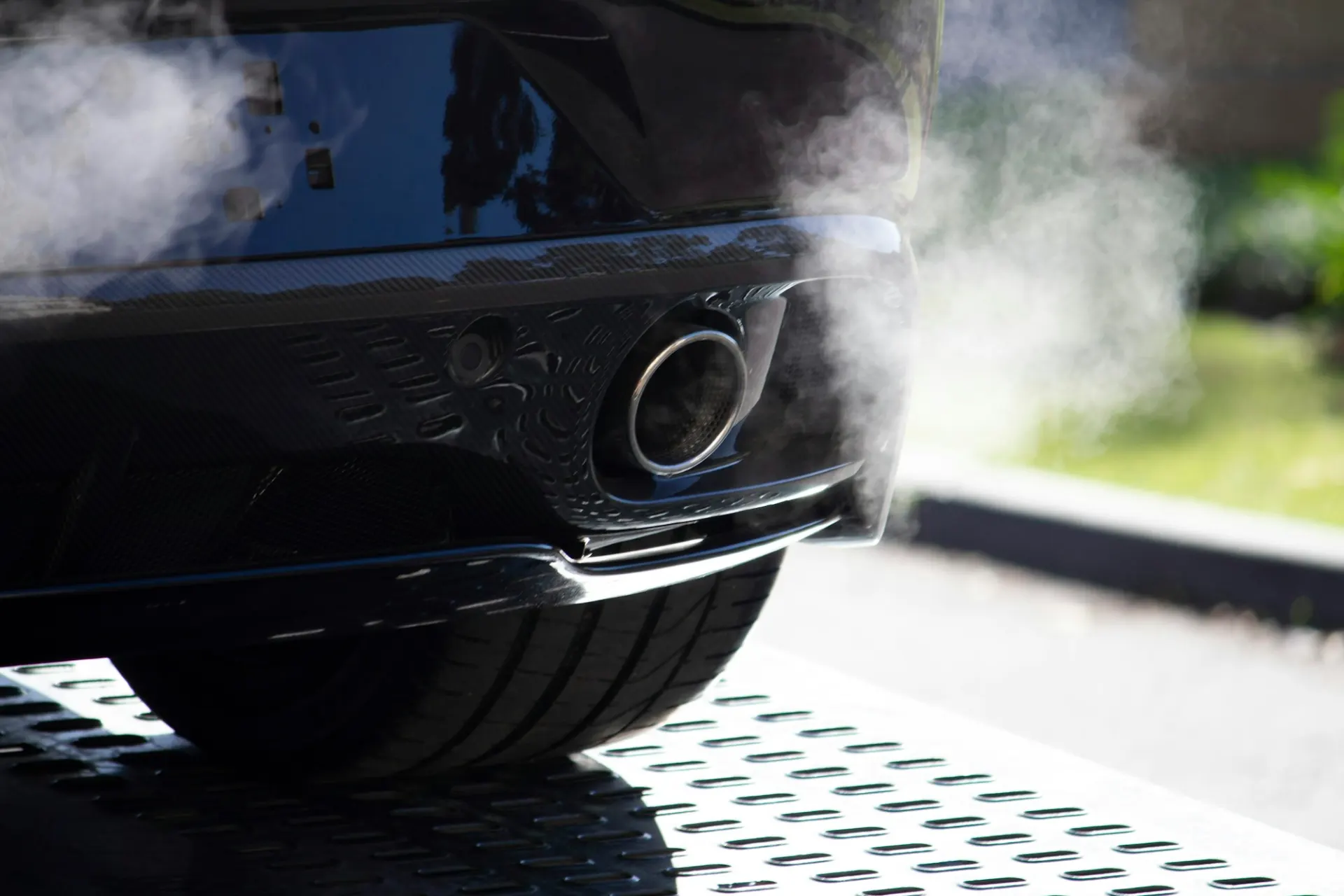
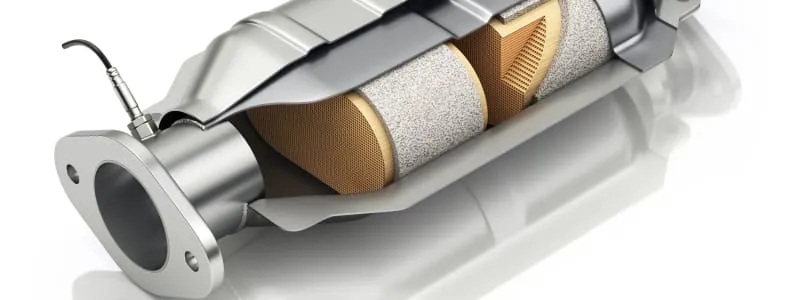
To understand why a DPF fails, it helps to understand how it works. DPF stands for diesel particulate filter. It sits in your exhaust, working alongside the catalytic converter, and cleans the exhaust gases your car produces so that what comes out of the tailpipe is much cleaner. It’s one of the reasons modern diesels are so much cleaner and more efficient than they were years ago.
It’s a good system, and it’s been used on large lorries since the mid 80s. The drawback is the way it works over the long term. To clean the gases, it doesn’t just filter them, it physically traps the soot. That soot builds up in the filter and needs burning off regularly. This cleaning process, called regeneration, is behind the vast majority of DPF problems.
What is DPF Regeneration?
DPF regeneration is the cleaning process the DPF goes through when it starts to fill up with soot. The system uses a three-pronged approach:
- DPF pressure sensor: senses the pressure in your exhaust to measure how full the filter is, then signals the engine to start regeneration.
- A fluid: either an additive stored on the car or diesel from your tank. It’s injected to help burn the soot out of the filter at lower temperatures.
- Your engine: the burnt-off soot needs to be pushed out of the system, which needs exhaust pressure from the engine running at around 2,000rpm or above.
Regeneration takes a little over 15 minutes on most cars, and problems happen when something interrupts it. The sensor that measures the filter can fail, so regeneration never starts and the DPF keeps collecting soot until the pressure is high enough to damage your engine. The fluid can fail to reach the system, causing similar damage. But the most common cause of DPF failure is the engine not running for long enough.
Because the soot needs heat to burn off and enough pressure to push it out, your car needs to be fully warmed up and running at around 2,000rpm. You also need at least a quarter of a tank of fuel for regeneration to work. This is where many problems start: if you don’t regularly drive on the motorway or other fast roads for a decent stretch, you’re likely to run into this issue. Unfortunately, the only real way around it is to take your car for a longer, faster drive every so often.
How Do I Know if My DPF Needs a Regeneration?
Fortunately, modern cars have plenty of failsafe features. They won’t guarantee that further damage won’t happen, but they will warn you early that there’s a problem. You may see an engine management light, a DPF warning light (it looks like an exhaust) or a message on the dashboard telling you a DPF regeneration is needed. At this point, a good run on the motorway may solve the problem.
However, if your car has gone into limp mode, where the computer limits your speed, it’s time to get it into a garage. The DPF may need cleaning or replacing.
How Do We Clean a DPF?
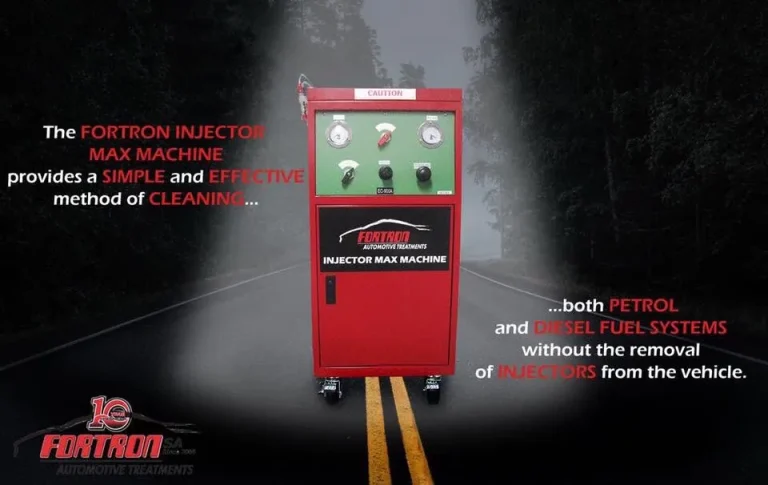
We’ve invested in the latest equipment to clean your DPF and bring it back to almost new. The method depends on your make and model, but our cleaning process uses a much stronger fluid than your car has, along with a high pressure system to flush the soot out of the DPF. Depending on how blocked it is, it can take more than one attempt to clean fully.
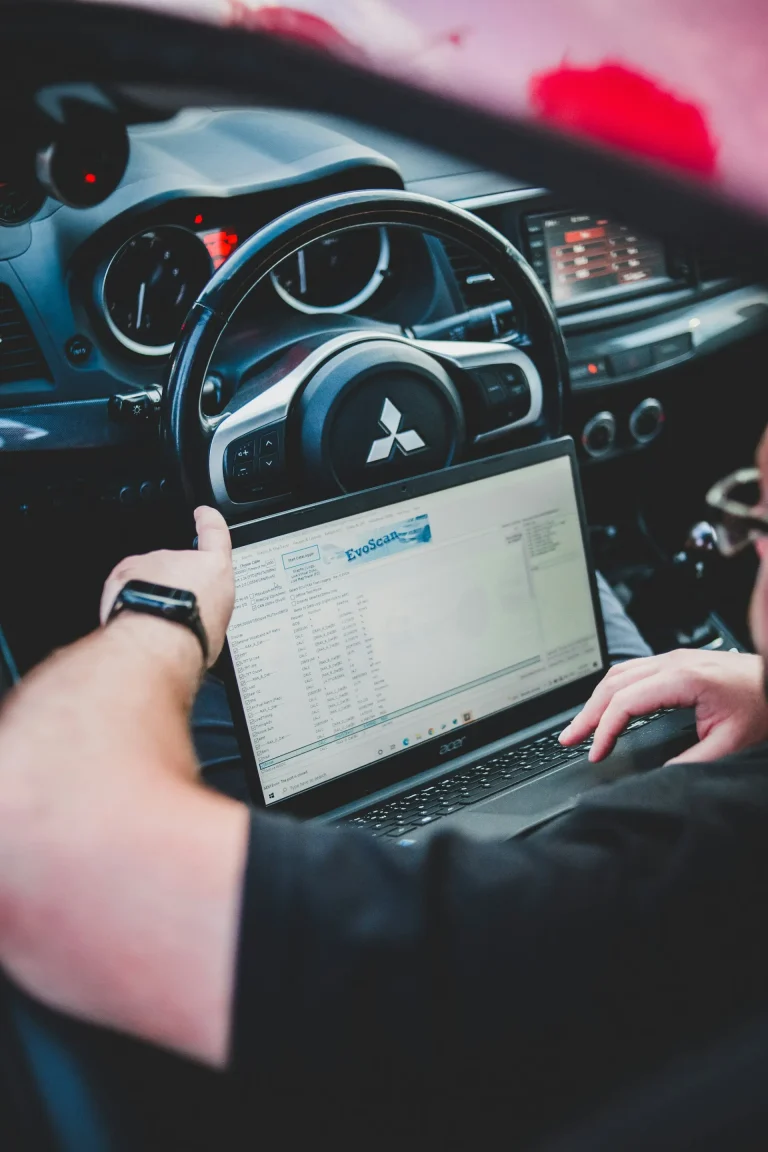
Once the DPF is clean, we use our diagnostic equipment to make sure it can regenerate on its own again. You’ll only get your car back when our mechanics are happy with it. If your DPF keeps filling up, the car needs to be used for longer journeys, or it could be a sign of bigger problems on the horizon.
DPF Replacement
Sometimes a DPF is so full that it starts to break down inside, or the soot is packed so tightly it can’t be cleaned. In that case we’ll recommend a replacement. Replacement DPFs can be expensive, with the part alone costing from £300 upwards.
How Do I Prevent DPF Failures?
- Drive longer distances more often: diesel cars are built for longer journeys, and regeneration takes place during these drives when it needs to.
- Keep fuel in the tank: staying above a quarter of a tank means the car won’t skip a regeneration.
- Use better fuel: some diesel is of a lower standard than others, especially if your car uses diesel for its regeneration. Poor quality fuel makes regeneration less effective and produces more soot, which is a double blow for your DPF.
These simple habits will keep your DPF in better condition for longer and could save you a large bill.
Can I Remove My DPF?
Many customers ask us “can I just remove my DPF?” The answer is no. It’s illegal to drive a car that was built with a DPF without one fitted, and your car will fail its MOT if the DPF has been removed.
What If I’m Having DPF Problems Today?
DPF problems can be frustrating, especially when it’s hard to find a garage that understands the system and can fix it. Always leave DPF repair, cleaning or replacement to a garage with the right equipment and the confidence to do it properly.
We consider ourselves a specialist DPF cleaning garage in Liverpool. Our mechanics know the system is different on every car and can sort out all kinds of DPF problems. If you’re having a DPF issue, drop us a line on 0151 737 1520 and our friendly team will be happy to help.
Book your car in
Pick a date and we’ll confirm your slot. MOTs available daily.
Opening hours Mon – Sat from 8:00am
- Monday – Friday8:00am – 5:30pm
- Saturday8:00am – 1:30pm
- SundayClosed
Related services
Book your car in
Book your car in
Fill in a few details and we’ll be in touch to confirm. Prefer to talk? Call 0151 737 1520.
- Free MOT retest*
- Free MOT reminders
- All makes & models
- Payment Assist available